Every September, the United Nations headquarters in New York City transforms into the diplomatic epicenter of global governance. The UN General Assembly (UNGA) High-Level Week is where heads of state, ministers, and global leaders set international priorities, shape multilateral agendas, and address the most pressing human rights and development challenges of our time.
Because political visibility and decision-making authority are at their absolute peak during this week, it is a critical space for civil society. Yet, for the majority of our advocacy work, Youth RISE engages in the UN in Vienna. This year, we expanded our footprint, arriving in New York in this case to participate in side events, and to take advantage of being here and connect with teams of key stakeholders from UN bodies to permanent missions. We were there to remind the world that young people are not just talking points for punitive policies; we are essential partners in designing the drug policies and health strategies that actually protect us.
Here is a look at our main advocacy event during UNGA, why our presence in New York matters, and the concrete outcomes we secured while promoting a groundbreaking new policy brief.
Our Main Advocacy Event: Launching the Global Policy Brief
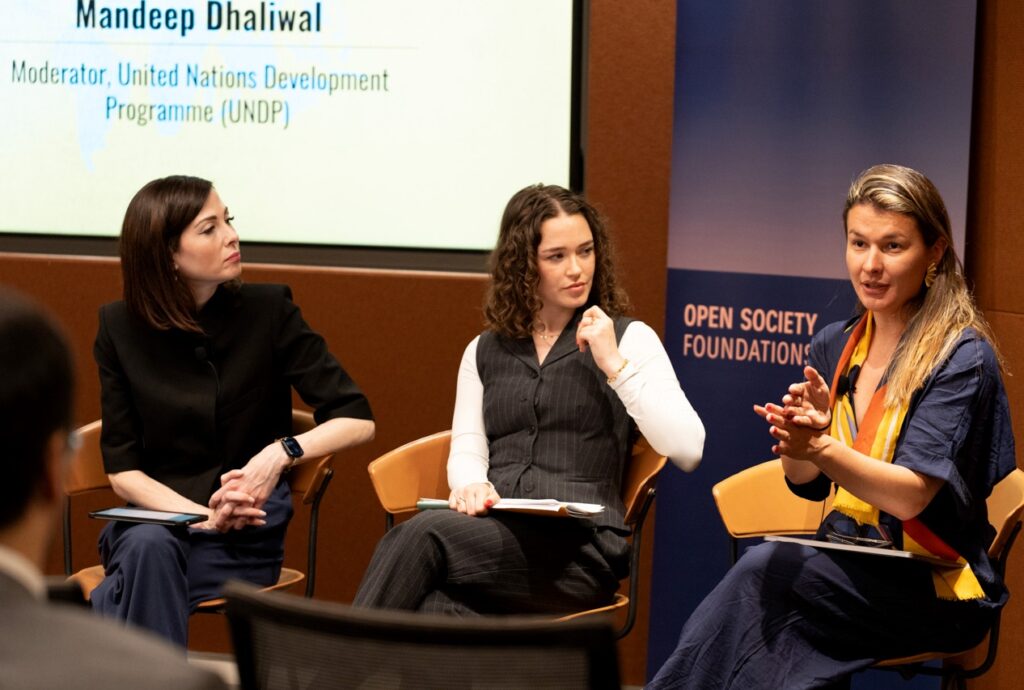
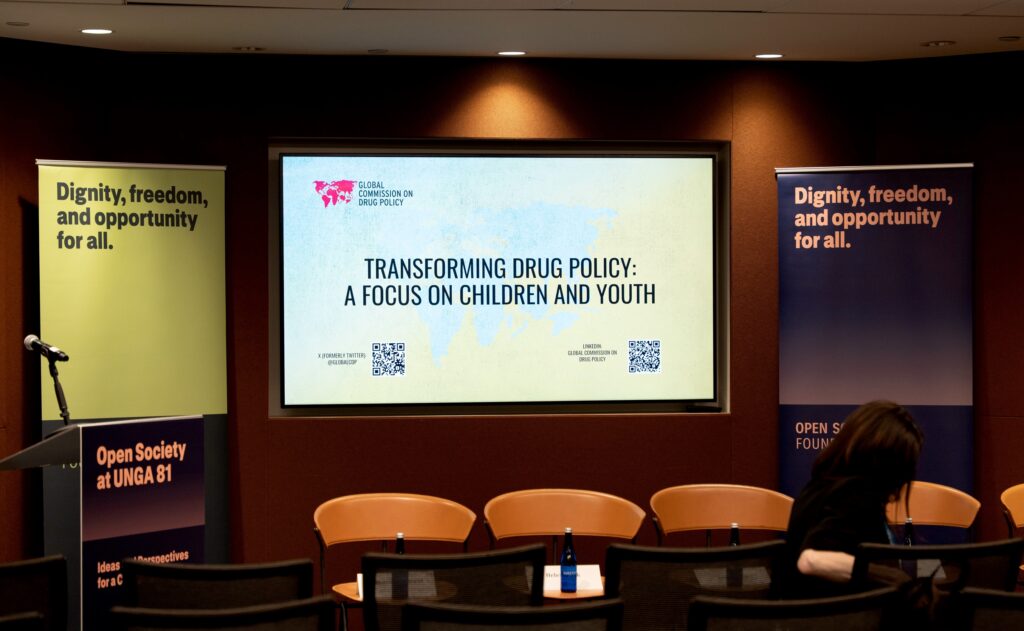
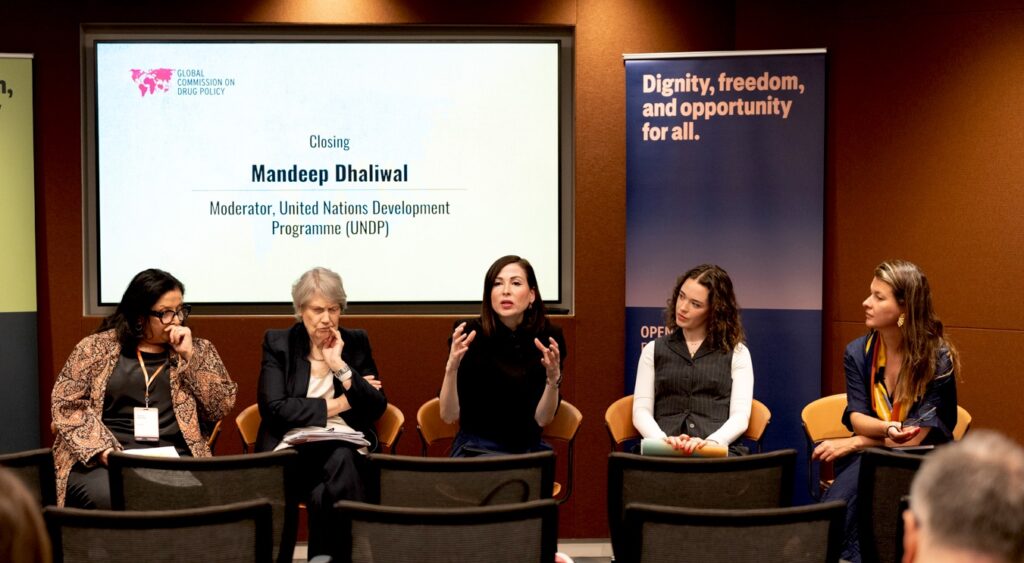
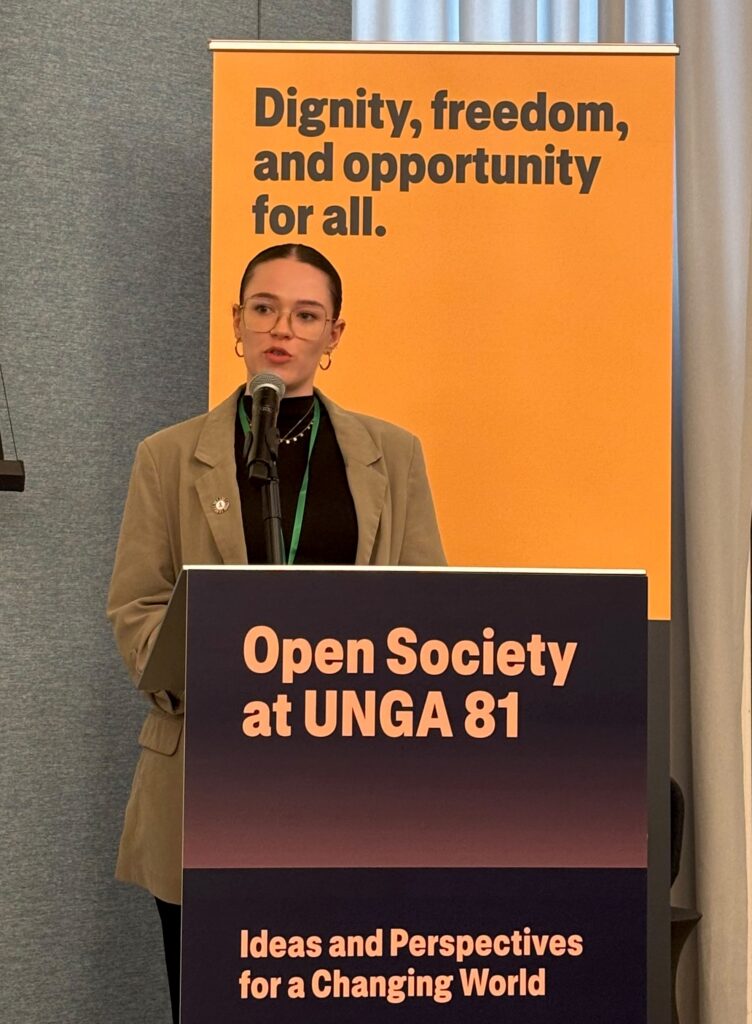
Our primary mission at UNGA was to speak at a high-level side event we co-organized among the Global Commission on Drug Policy (GCDP), with support from Open Society Foundations, United Nations Development Programme. This event served as a critical dissemination platform for a new Policy Brief “Making Children and Young People Visible for Drug Policy” a document Youth RISE has been supporting since March 2025 by facilitating the participation of young people who use drugs or are affected by drug policies as main informers. Read more about Youth RISE role on it here.
Speaking alongside Hon. Helen Clark (Chair of the GCDP and former Prime Minister of New Zealand); Zeinab Hijazi (Global Lead for Mental Health at UNICEF); Mandeep Dhaliwaf (Director of Prosperity & Wellbeing Hub at UNDP); Maria Camila Cuellar, Manager Juvenile Justice Programs at Tiempo de Juego), Youth RISE brought the reality of young people to the forefront.
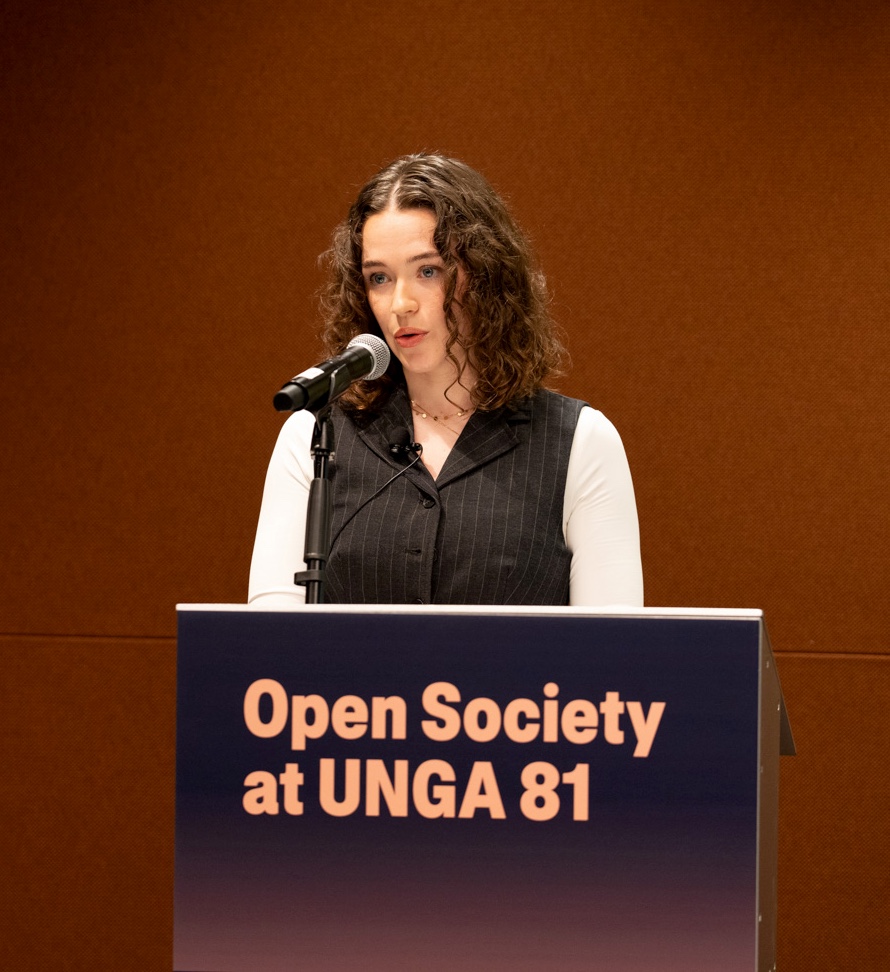
During our intervention, delivered by Executive Director Ruby Rose Lawlor, she highlighted a glaring disconnect in global diplomacy: When policymakers invoke the name of “youth” to justify the War on Drugs, they are describing an idealized group of young people they wish to keep completely insulated from drugs. They rarely talk about the young people who already use drugs, children who have lost parents to prison, or youth growing up amidst militarized drug enforcement.
We made it clear that true “protection” does not mean fear-mongering and criminalization. It means access to overdose prevention, drug checking, other harm reduction services, and non-coercive treatment options. It means building trust, not eroding it.
Grounding Global Policy in Local Reality: OnPoint NYC While the diplomatic corridors were essential, the most hopeful moment of the week happened in the Bronx. Following the side events, Youth RISE toured OnPoint NYC, the country’s first authorized overdose prevention center. Witnessing full-spectrum, peer-led harm reduction in action, complete with drop-in beds, medical care, acupuncture, and safe consumption spaces, served as a profound reminder of what radical care looks like. It is the living proof of the policies we were in New York fighting for.
Other side-events we attended:
- Drug Policy Alliance (DPA) Side Event – “Above the Law: How Labels Like Narco-terrorism Normalize Lawlessness”
- UNAIDS High-Level Side Event “From Forerunner to Future-Maker: A Transformed Joint United Nations Programme on HIV/AIDS for a Sustainable Global HIV Response”. Hosted at UNICEF Building.
- UNDP High-Level Panel “Beyond Criminalization: Drug Policy, Economic Justice, and Sustainable Development. Breaking the Cycle of Poverty, Exclusion and Punishment of People Who Use Drugs and People Engaged in Low-Level Roles in Illicit Drug Markets” Event supported by DPA. Ruby had a short intervention about the impact that punitive policies have on children and young people and the need to meaningfully involve in drug policies creation.
- Students for Sensitive Drug Policy Side Event: “From UNGASS to What Comes Next: Overdose Prevention, Harm Reduction & the Future of Global Drug Policy”
Looking forward, one thing is certain: young people with lived experience belong at the center of global drug policy decision-making. The progress and connections made at UNGA 2026 mark an important step forward for our movement. We will bring these insights and key takeaways directly into our next phase of advocacy, informing our inputs for the CND Expert Panel and strengthening our continued engagement at the CND in Vienna and beyond.