Written by Rebeca Calzada and Rebeca Marques Rocha
At the end of April, civil society organisations, collectives and human rights activists in Mexico reported the shortage of methadone in the country, urging the federal government to support the provision of the medication in public and private clinics.
Methadone is a synthetic drug used in opioid agonist therapy (OAT) – an effective treatment for the problematic use of opioids such as heroin, oxycodone, hydromorphone (Dilaudid), fentanyl and Percocet. OAT works to prevent withdrawal symptoms and reduce cravings for opioids. People who are experiencing addiction to opioid drugs can engage in OAT to help stabilising their lives and reducing the harms related to drug use. This treatment has been used since the 1950s, and patients take a daily dose of methadone (usually as a liquid or pill) under medical supervision.
Evidence has shown the effectiveness of using methadone in OAT. Firstly, it reduces the risks associated with drug injecting practices, such as HIV, hepatitis and skin infections. Secondly, the use of methadone can reduce mortality and overdosing risk by up to 220%. Finally, the prescription of methadone as OAT can decrease criminal and violence exposure, reducing the social harms associated with problematic drug use.
"The impact of the methadone shortage is already costing the lives of people who use drugs in Mexico. In March, fifteen methadone treatment patients died because of fatal overdoses."
Indeed, methadone has been included on the World Health Organization’s List of Essential Medicines and in Europe the substance has been the best therapeutic strategy for people with problematic or dependent opioid use. In Mexico, methadone has been used since the 1960s. Initially, it was used in private clinics, however, in 2001, it became accessible in the public health system through a program launched in Ciudad Juarez (north of Mexico).
The current shortage of medication was first reported in November 2022. At the time, Psicofarma – the main Mexican pharma company – announced methadone production was halted by the governmental sanitation agency due to irregularities. Nonetheless, Psicofarma claimed production would be resumed shortly, once all irregularities had been resolved. To date, methadone production remains shut down.
Mexican government bureaucracy and problems with importation schemes are to be blamed for the current methadone crisis. The lack of medicine is part of an enormous essential medication shortage since 2021. The absence of methadone represents a life-threatening issue for people who use drugs, as it is happening in a context where the heroin circulating in the streets is growingly contaminated with fentanyl (harm reduction organizations have also claimed that up to 90% of the street heroin has been cut with fentanyl). As Mexican cartels turn into the major US illegal fentanyl supplier, there has been a growth in the consumption of opioids in the north of Mexico, especially impacting Tijuana, Mexicali and Ciudad Juarez.
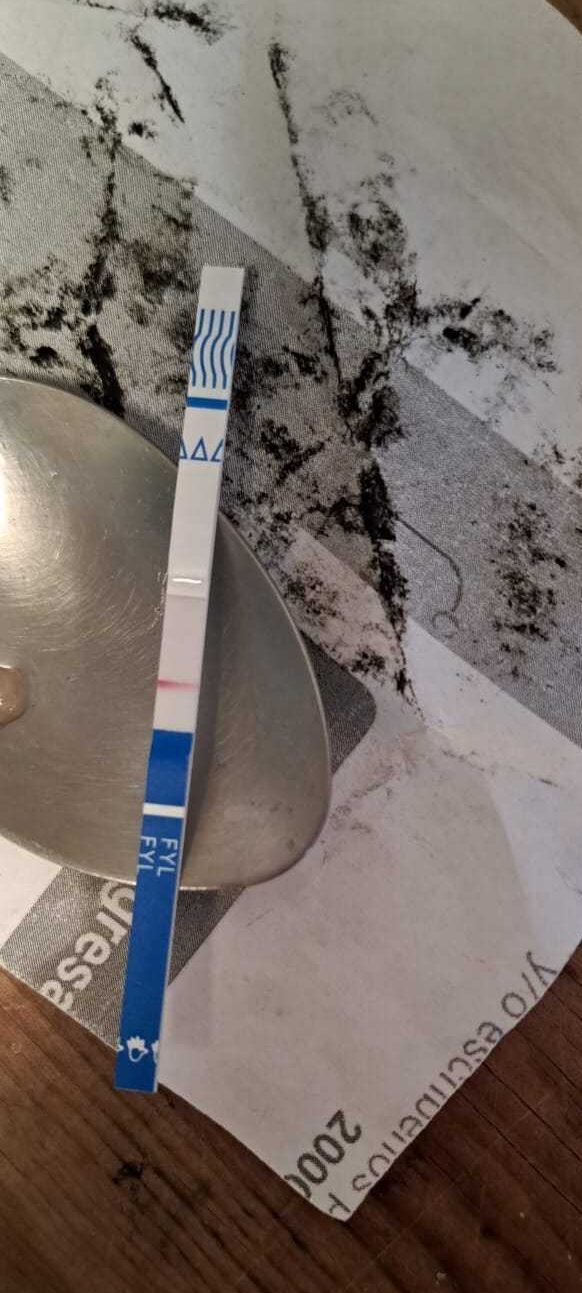
Poncho Chávez, from PrevenCasa, A.C., (a community harm reduction clinic in Tijuana) said that the closing of many private and public clinics due to methadone shortages is driving people who use drugs to use street opioids, putting them at higher risk of overdosing, contracting injecting related transmissions and becoming exposed and vulnerable to police violence and organised crime. Many of these people were engaged in OAT with methadone prescriptions. Chávez also mentioned that the former beneficiaries of such programs started to look for support from local harm reduction organisations, which are now facing difficulties to respond to the increased services request.
The impact of the methadone shortage is already costing the lives of people who use drugs in Mexico. In March, fifteen methadone treatment patients died because of fatal overdoses. The lack of methadone has pushed people to suffer physically and emotionally due to trauma, stress, anxiety, insomnia, etc. Ultimately, the shortage imposes an obstacle which seriously curbs the lives of these people.
Unfortunately, the current government of López Obrador has shown no support for harm reduction services, or health-centred drug regulation reform. Instead, the Mexican president criticized the use of naloxone in the opioid crisis that the US is facing and prohibited the use of medical fentanyl in hospitals.
People who use opioids deserve empathy, respect and dignity, and without methadone, they face life-threatening risks.
We urge our international community to support Mexican harm reduction organizations, by directly contacting them: